On the trail of London’s hidden green spaces

I’m a big fan of hiking and have travelled all over the world, taking in some of the most beautiful walking trails imaginable.

But this summer, I wanted to set myself a challenge that would bring me much closer to home. I started walking, in May, along a route that would take me 78 miles around the edge of the London.

Officially, the well-signposted Capital Ring begins at Woolwich foot tunnel but in reality you can start anywhere and there are some excellent downloadable PDFs detailing each of the section available on the TFL website.

On average, I’ve think been walking about eight miles at a time, before finding a nearby train station to get back into central London. I then pick up the route at that point when I’m next ready to walk a section of the Capital Ring.

I published my first blog from the trail on my website Pastinthepresent.net yesterday, whereby I walked from Hackney Wick to Cyprus DLR. During that leg, I learned an awful lot about sewage.

I’ve still got some way to go on my Capital Ring trail, but already I’m appreciating London from a different perspective. Yes, it can be a busy place (I see the hustle and bustle every day given I work in Covent Garden), but there are some very quiet corners as well.

Over the next few weeks I’ll talk about the many wonderful parks that are linked up by the Capital Ring route. I’ve also passed by allotments, through woodland and nature reserves on my journey so far. Time after time, it really has felt like walking through rural Britain.
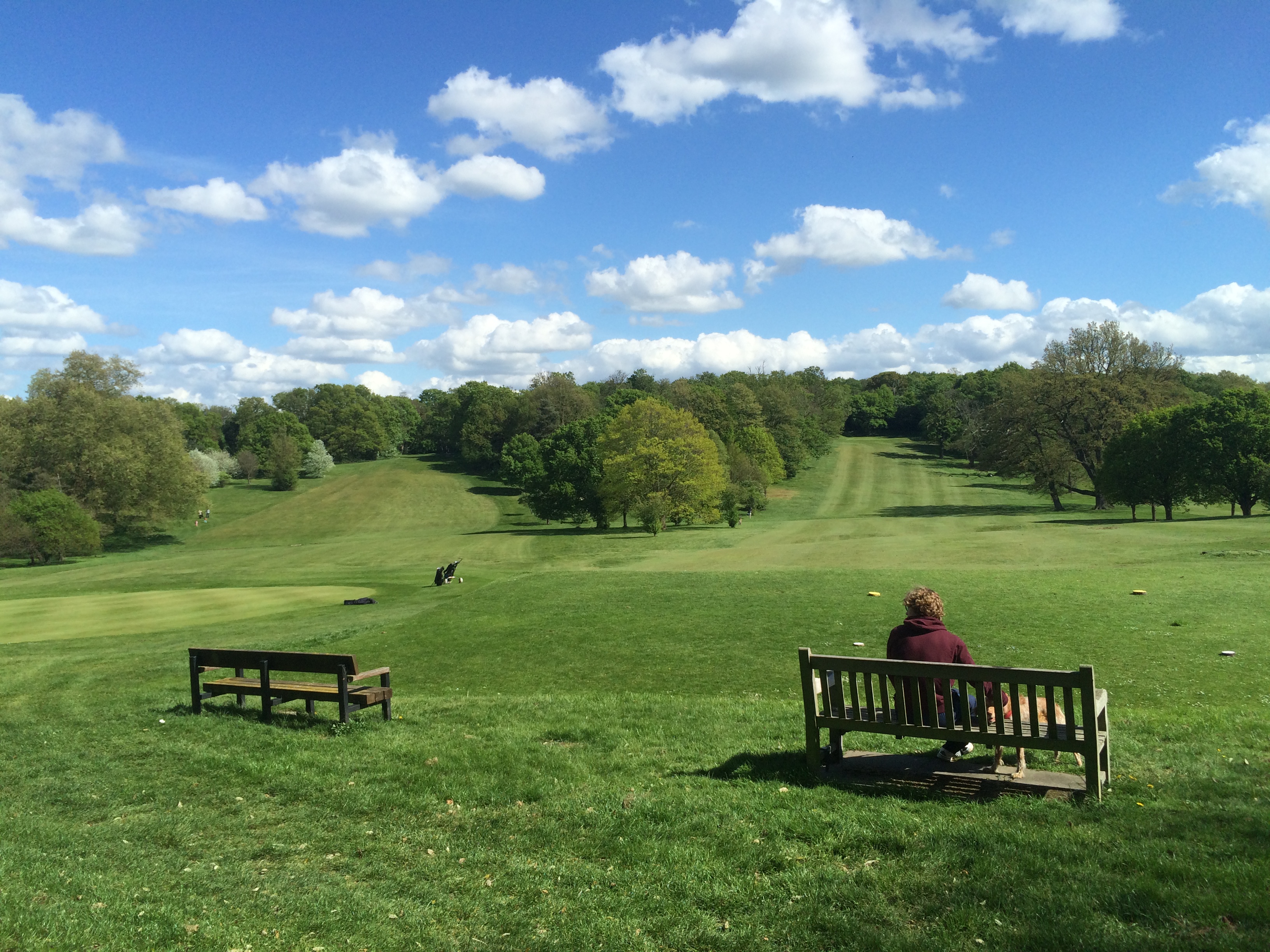
2015-05-09 15.34.54

And as London is not a flat city you can take in some wonderful views if you grab a bench at one of the route’s high points. Often on the walk you can see the skyscrapers of Canary Wharf or the City, but they can appear so far into the distance that they could be on another planet.
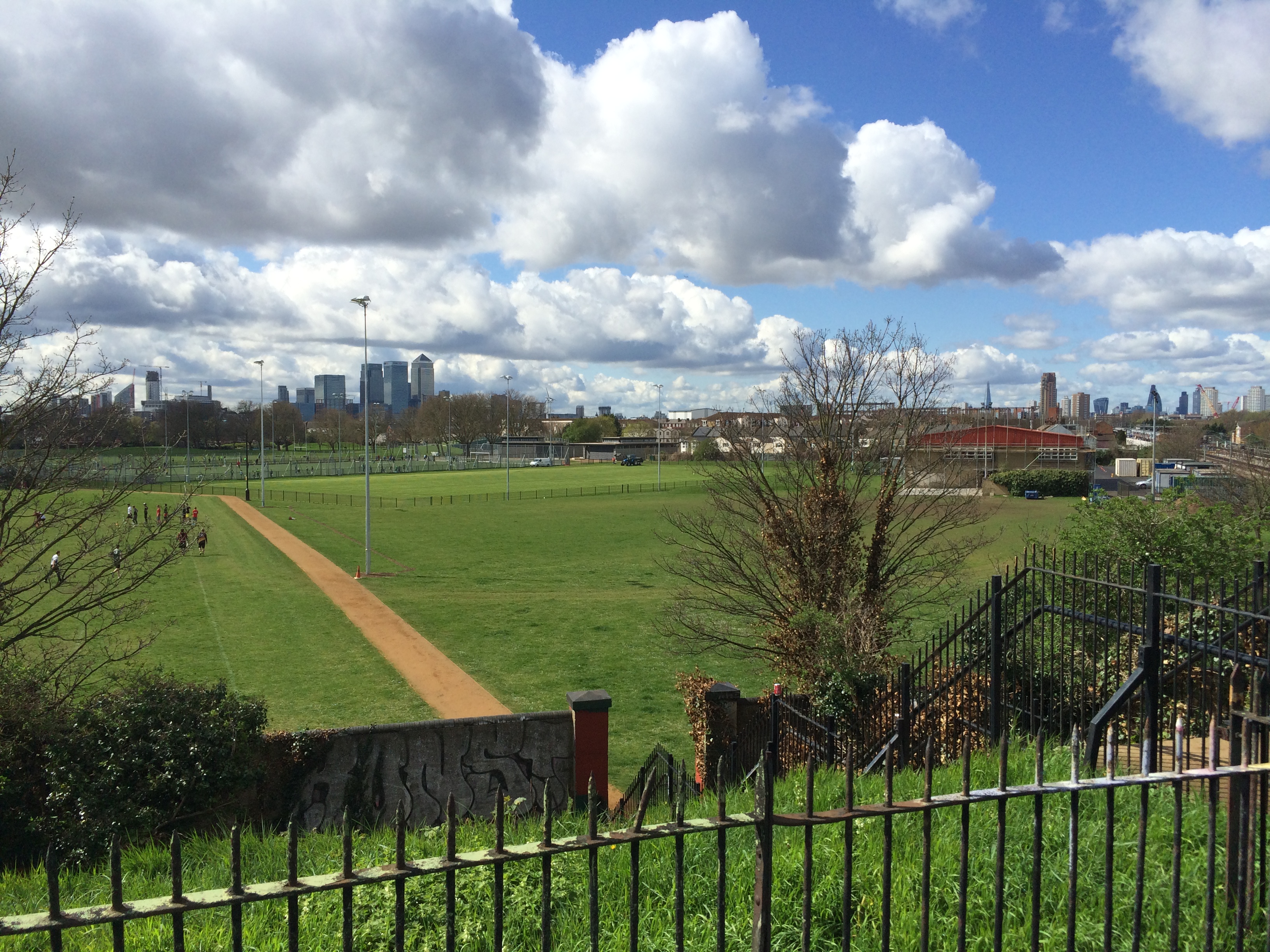
2015-04-11 11.43.50

We are all guilty of ignoring the interesting places on our doorstep. This is my attempt to discover the hidden corners of my city. It’s turning out to be an enjoyable ride.

Orwell would be proud of youngsters’ efforts to keep the great British pub alive

George Orwell was right. Hidden away on quiet streets can be found some of the finest pubs around. It was true in Orwell’s day just as much as it is today.

“My favourite public-house, the Moon Under Water, is only two minutes from a bus stop, but it is on a side-street, and drunks and rowdies never seem to find their way there, even on a Saturday night,” he wrote in a piece for the Evening Standard in 1946.

“Its clientele, though fairly large, consists mostly of ‘regulars’ who occupy the same chair every evening and are there for conversation as much as for the beer”.

While the pub he described didn’t actually exist (he was making the point that traditional and much loved boozers were disappearing), the Standard article did set out many of the key elements of a good pub.

In the Moon Under Water it was “always quiet enough to talk”, while “the barmaids know most of their customers by name, and take a personal interest in everyone” and they served draught stout. But the “great surprise” was the large beer garden, with “plane trees, under which there are little green tables with iron chairs round them” and “swings and a chute for the children”.

Sound familiar?

Much of what Orwell wrote about pubs I consider important for drinking holes today.

For me, they need to offer great beers from the finest independent breweries around. If you feel like you’ve walked into a beer festival, then the pub has done its job properly.

And the staff should be friendly and will probably be on first name terms with the regulars perching on stools along the bar. Yes, pubs should offer food (Orwell though wanted little more than sandwiches), but not if that means that tables need to be booked in advance.

I like places that have an eclectic range of tables and chairs, where there’s a log fire burning to keep you warm on those cold winter nights and perhaps even a pub dog. It’s the simple things that make pubs special and places that people want to go, despite the distractions of modern life.

Sadly, many pubs have closed down in recent years and the statistics published by CAMRA have made for depressing reading. When it’s the last pub in a village that’s shutting or one of only a few remaining in a town then residents can really lose out.

But it seems there is a glimmer of hope for the pub from the next generation of publicans. New research published by Barclays reveals the number of pub landlords aged between 25 and 34 has risen by a quarter over the past three years (analysis of 8,000 of their business customers suggests that people from that age group own 15% of the country’s pubs).

CAMRA applauds the arrival of this “fresh blood,” with Neil Walker from the organisation commenting: “Increasingly, we’re seeing young people showing an interest in real ale and craft beer, which has already led to a boom in growth for microbreweries in the UK, and as such we should view this increase in the number of young licensees as a positive sign for the future of pubs”.

George Orwell would be proud of the fine efforts of these youngsters to keep the great British pub alive.

Thank goodness this election campaign is nearly over…..

After weeks of bickering, but little debate, we are now on the homeward stretch of an extremely tiring general election campaign.

The party manifestos have been out for weeks and voters have heard pretty much all they are going to hear from political leaders now the last TV “debate” is over. On Thursday we head to the polls no better informed that we were at the start of the campaign.

In reality, we could have had the vote weeks ago. The direction each of the parties would take in this election was set a long time ago. The Conservatives decided they would present themselves as strong on the economy; Labour opted to campaign on protecting welfare; the Lib Dems set out to highlight the difference they’ve made in government; UKIP unsurprisingly decided to take any opportunity they could to take a swipe at Europe.

Things have been so stage-managed in this election campaign that there has been little scrutiny on the big issues.

The first TV “debate” involving leaders from seven political parties was hardly a debate at all. It was little more than media savvy politicians delivering a series of set-piece and well-rehearsed statements. With so many people involved, there simply wasn’t time for any point to be properly debated. Instead of providing any clarification, I think the programme probably confused voters more than anything else.

Last week’s Question Time special brought more scrutiny and direct challenges from the audience, but it was pretty pathetic that David Cameron wouldn’t share the stage with Ed Miliband and Nick Clegg.

Political rallies up and down Britain have also been complete jokes. Rather than meeting “real people”, Cameron, Miliband and others have spent most of their time with flag-waving party members who don’t do or say anything that would upset the leaders. Robert Mugabe or Kim Jong-Un would be proud of the slick organisation we’ve seen so far in the hustings.

How different it was in previous campaigns. Last time round Gordon Brown called Mrs Duffy a bigot for challenging him. In other years John Prescott ended up punching someone and eggs were thrown at politicians.

But despite the dull campaign we have seen this year, TV stations and newspapers have largely been intent on leading with election stories (although there was a brief break to cover the Nepal earthquake and of course the Royal baby birth). The former has followed such a dry formula whereby they manufacture a “row” on a daily basis on a particular issue. One day it is NHS, the next it is over the economy.

And then of course everyone was up in arms with Miliband for going to film a YouTube video with Russell Brand. Was this sort of nonsense ever going to help voters decide what party would be best for Britain?

Thank goodness this election campaign is nearly over and life can now return to some sense of normality. Or will it?

Post election negotiations over forming a coalition could go on for some time – some commentators say weeks – but at least politicians won’t be appealing to the the public for their vote on a daily basis, and the talks will take place behind closed doors. Whether we like it or not, soon the future of the country will be out of our hands.