If there’s one thing that gets strangers talking to each other on long-haul flights, it’s airline food. While hot meals have largely disappeared on short routes in Europe, for obvious reasons they are still dished out to passengers when they are being transported half way around the world.
And for the majority of us that travel economy class, we are by and large left disappointed on a daily basis.
When the cabin attendants bring round a printed menu soon after you board your flight hopes are raised. The dish names and their descriptions often sound like you are going to get something prepared by a Michelin-starred chef, using only the finest ingredients. And better still, you are promised the finest wines to accompany your meal.
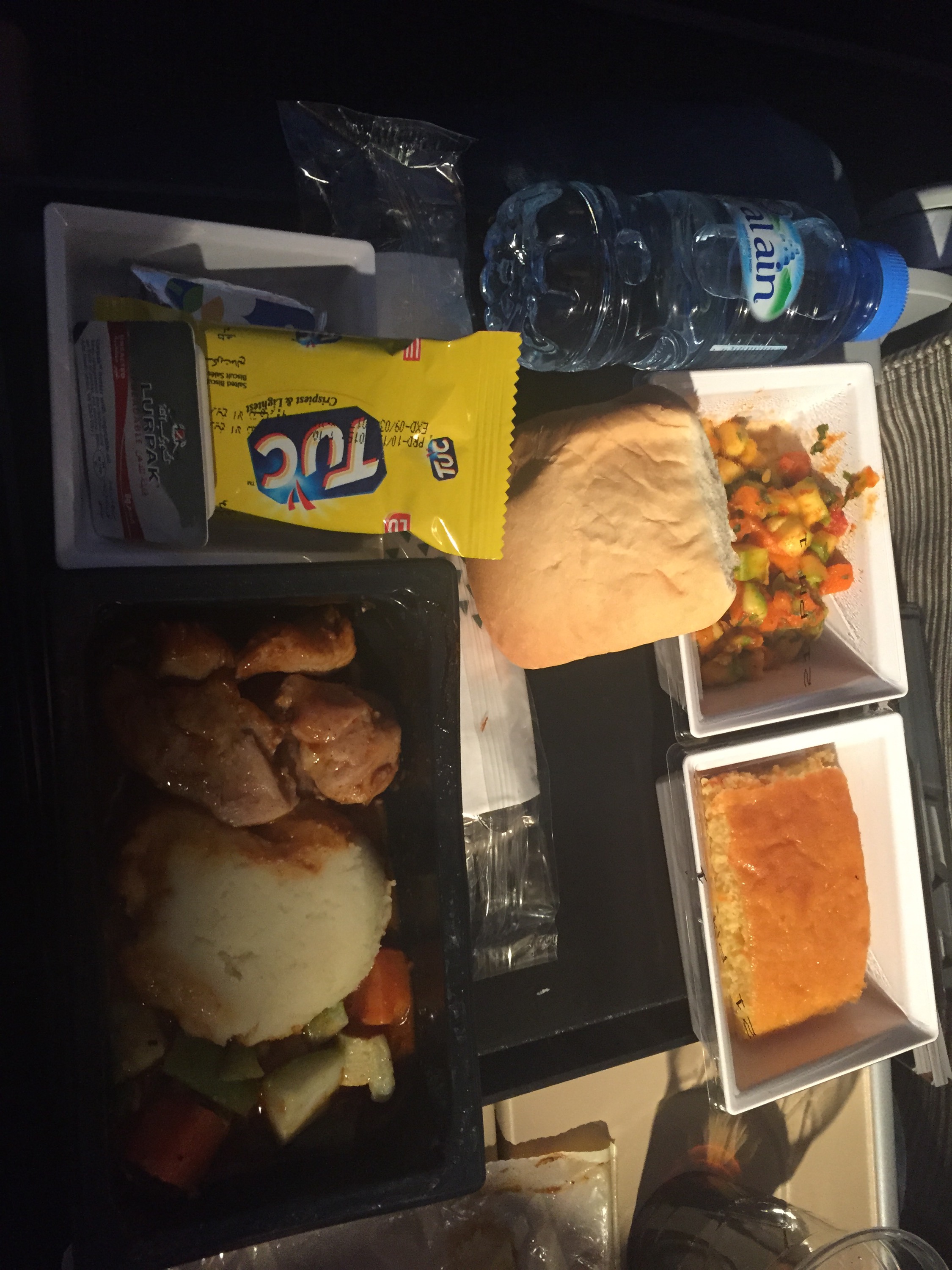
But the reality is often a shrivelled piece of chicken, accompanied by some equally tasteless sauce and a measly portion of overlooked rice. The bread roll is tougher than the outer coating of the plane you are travelling on. Cheese and biscuits consist of a sweaty piece of cheddar, served with a plain cracker. And the dessert is a variety of sponge that you can’t quite place.
Just this week on my early morning flight from London City Airport to Edinburgh, I had a disappointing attempt at a full English breakfast on a British Airways service – encompassing a soggy hash brown, tasteless sausage and bacon, with absolutely no sauce (not even baked beans) to make it moist.
I know what you’re thinking though – it’s not that easy cooking a decent meal in such a tiny galley up in the skies. That may be true, but I think that’s just a poor excuse. If you consider how much microwave ready meals have improved in recent years, then you start to realise that more can be done to improve quality.
Given that cabin crew are only really heating up pre-cooked food, innovation needs to begin on the ground. Perhaps more use should be made of independent suppliers, rather than the vast mass-produced kitchens that the airlines currently use. Yes, it would probably prove more costly, but passengers would be left more satisfied if more love and thought had gone into their meals.
You could see a network of independent kitchens on the fringes of major airports and using fresh ingredients proving popular. There would need to be a sophisticated just in time supply chain in place, but modern technology allows this sort of thing to take place. And given that food is usually served on planes within 30 minutes of take-off, if it was freshly prepared it wouldn’t really need heating up very much.
Some airline meals are passable and actually even enjoyable (I enjoyed a beautiful, albeit small, piece of steak on a South African airways flight last year), but in my view that was an exception.
Given the length of time spent on some flights, passengers in economy class deserve better food to eat. Right now it’s boom time for airport eateries as people rush to consume a decent meal given they know what’s probably coming (I certainly do).
As I was presented with a terrible chicken frittata (made in the UK using chicken from Thailand) for breakfast on an Etihad flight to Abu Dhabi, this was the very topic of conversation I had with the person sitting next to me. Why do airlines simply not bother?
 Mark Gee