London has retained its position at the top of the tourist charts for another year, according to Mastercard’s Global Destinations Cities Index. On both visitor numbers (an estimated 18.82 million this year) and their spending (£13.15 billion) we have again seen off rivals like New York and Paris (plus also Middle Eastern contenders that are creeping up the rankings).
Inevitably, the announcement of London’s latest accolade has led some in recent days to stress that we should not take our leading status for granted if we want to keep up with the competition. “Invest to keep London the top tourist city,” said the London Evening Standard in a leader last week.
Investing in transport and other infrastructure in London is of course important if the capital is not to grind to a complete halt (Crossrail is coming, yet it will do nothing to ease congestion on north-south routes – we need Crossrail 2 to be approved).
But I also think that more can be done to encourage visitors to discover the unexplored pockets of this great city, because merely allowing so many to be concentrated in busy central areas is also problematic.
If you read my last post, you’ll know that I’m walking the 78 mile Capital Ring trail in sections, over a number of weeks. On my trip so far, I’ve encountered very few people for the most part and seen some wonderful places along the way.
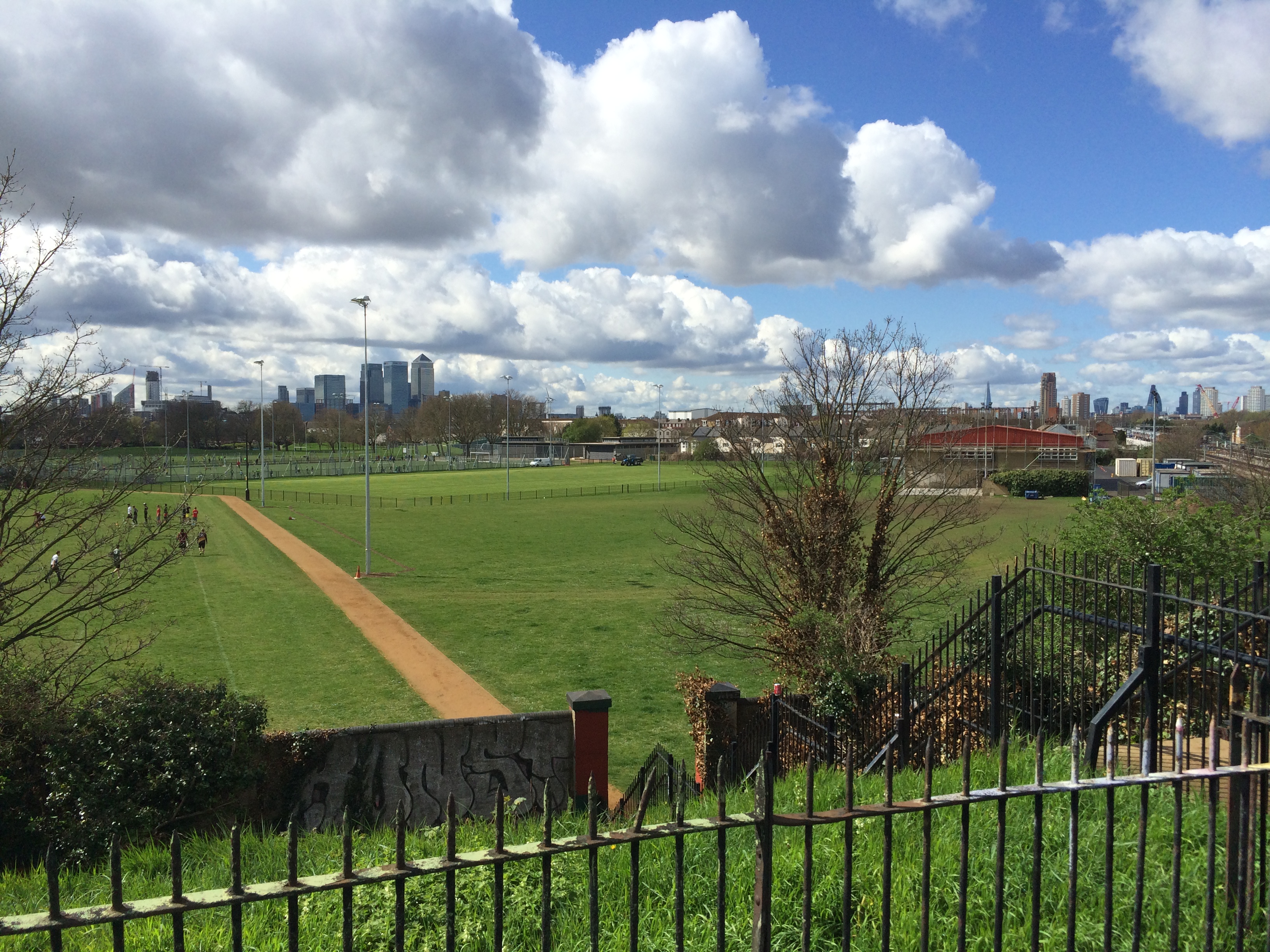
Yes, I’ve stopped-by at popular attractions like Eltham Palace (with a café so busy that you would be lucky if you got served by the following weekend), but other places are far more peaceful. The Capital Ring has everything from remnants of 17th century spa resorts and charming follies to deserted woodland and wild grassland – all places that convince you that you’re a long way from the hustle and bustle of Leicester Square or Oxford Street.
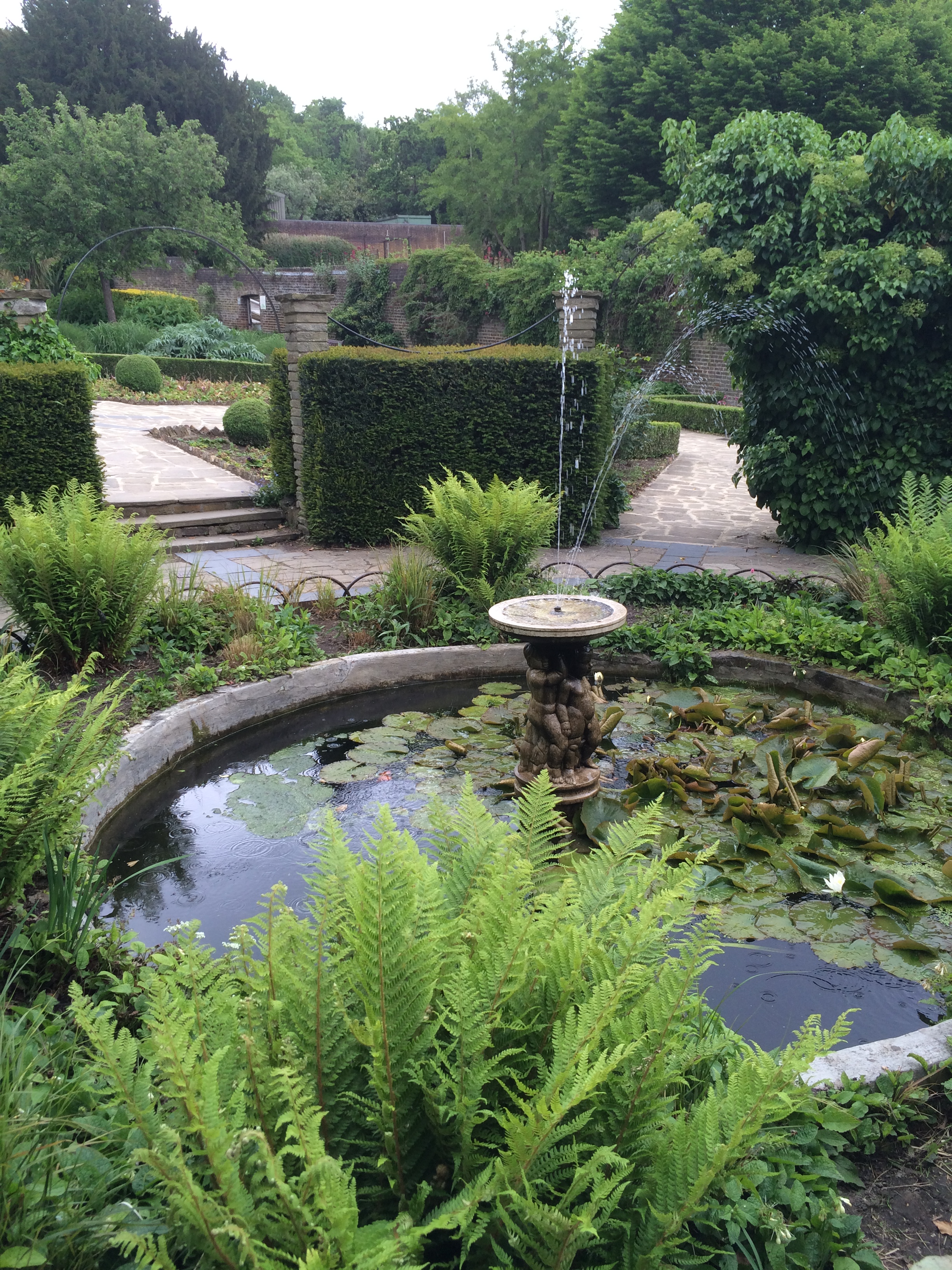
The Rookery – Streatham
These great places that I’ve found aren’t – on the whole – covered by the guidebooks or on tourist websites (although, to be fair to Transport for London, it does have some excellent downloadable Capital Ring PDFs, if you know where to find them).
So what can be done to encourage visitors to explore London’s hidden gems?
I think the big not-for-profit heritage and conservation organisations – like English Heritage and National Trust – should do more to encourage people to visit properties that they don’t own out right, yet deserve national recognition. The latter has so-called “National Trust Partner” listing in their members’ handbook, but they could go further.
Residents and tourists who have enjoyed visiting these “hidden” places also have a part to play by making recommendations on the likes of Tripadvisor (I am myself guilty of not reviewing enough places there). Guidebook writers can be so pressed for time these days that they can barely get to little more than the obvious spots.
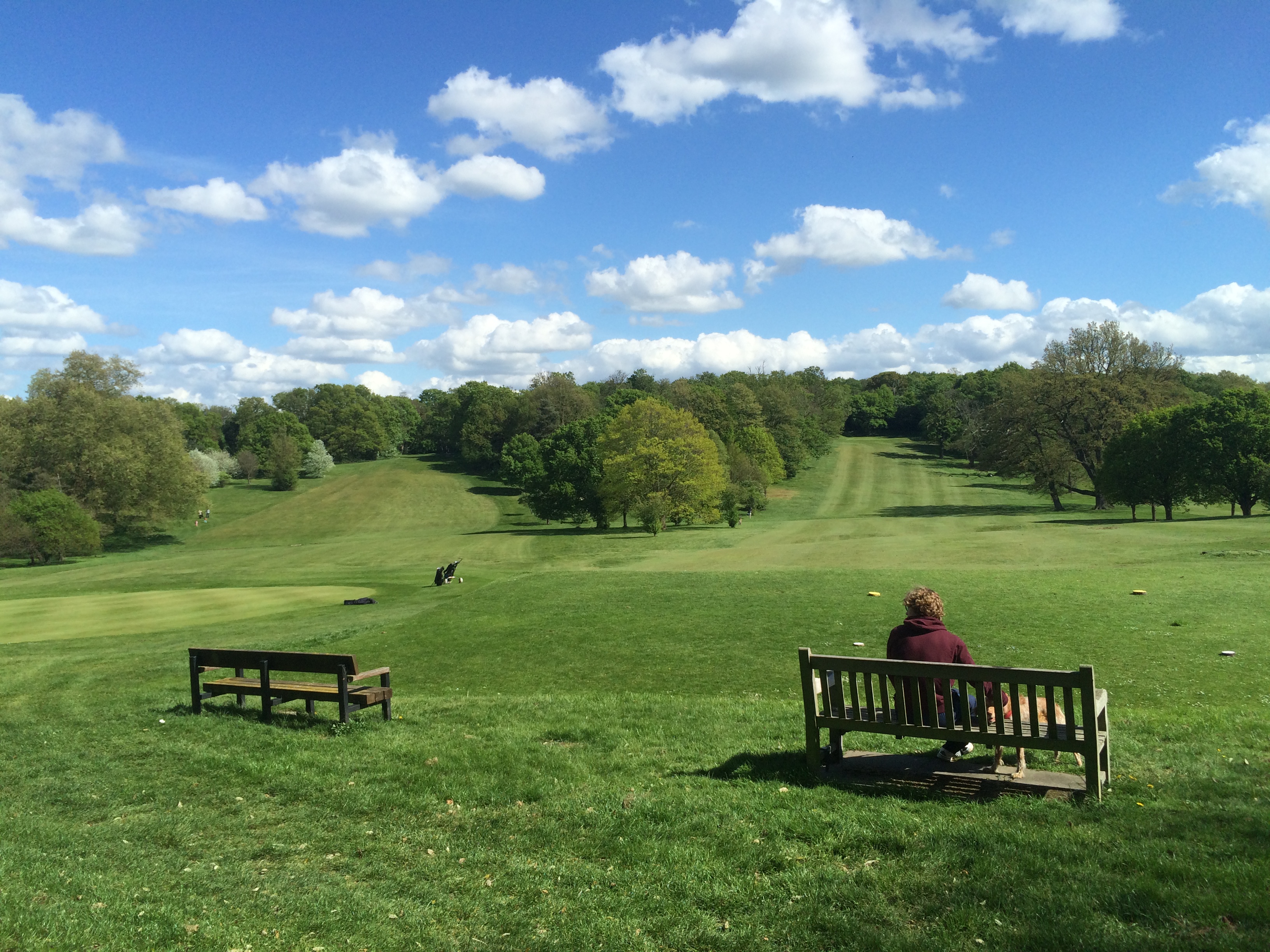
There is also an interesting plan out at moment to designate the capital as Greater London National Park, the first urban area to achieve such status. Boasting 13,000 species of wildlife, 3,000 parks and 30,000 allotments and the world’s largest urban forest, you can see why the capital should be shouting about its greenery. Promoters believe that National Park status would encourage tourism and bring increased of outer boroughs, as well as bringing raising awareness of local conservation and environmental issues.
I see this as little more than a publicity exercise, but isn’t that what we need for “hidden London”? Anything that encourages people away from the busy spots has got to be a good thing. Liverpool’s status as European Capital of Culture 2008 was fairly meaningless bar the very important fact it increased visitor numbers and therefore encouraged much-needed inward investment.
Today, I’m continuing my Capital Ring adventure and will be hoping for some peace and quiet after a busy week working in central London. But, for the good of the capital, I still wouldn’t mind seeing a few more people along the way.


 Mark Gee