The first time I flew into Cairo airport it was gone midnight when I landed, so thought I might have an easy journey into the city centre. How wrong I was. The roads were packed with cars and the trip took more than two hours.
My taxi driver told me that when it comes to driving Cairo is a city that never sleeps. Whenever you want to travel, there are always thousands of other motorists that are going to slow you down, he moaned.
Lanes – three, four or five deep – are marked out on the main highways, but in the rare sections where there was free-flowing traffic drivers didn’t seem to pay any attention to the painted lines. Motorists just invented an extra lane whenever they felt like it.
Travelling by car is essential if you want to move around Cairo. I would like to have been able to walk around more on my trips to Egypt’s capital, but in many parts of the city (away from the clogged up highways) just crossing the road is a considerable challenge. When your hotel is on what seems like a traffic Island you are pretty much marooned without a car.
Cairo has many treasures – not least the Cairo Museum, the Pyramids and important mosques – but overall I found it a polluted and generally unpleasant place to visit. As a tourist, you look at the main sites and then move onto somewhere more relaxing, like a resort by the Red Sea.
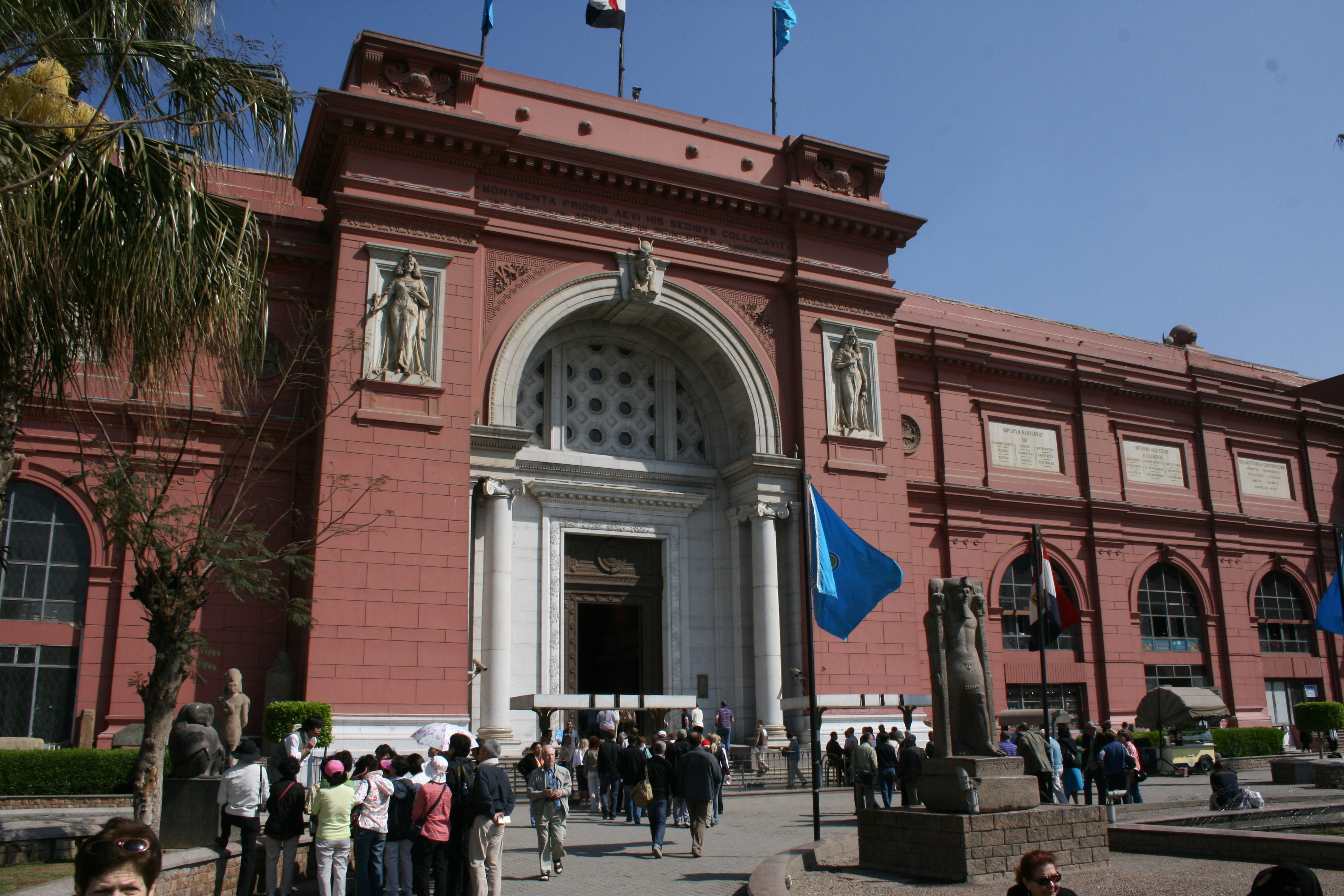
The Cairo Museum – a calm scene in a busy city
And if Cairo is not that appealing for leisure travellers, it’s hardly going to win over business travellers either. In comparison to the modern infrastructure offered by Gulf states like of Dubai or Doha. The minute you step out of the luxury, air-conditioned hotels it is chaos.
The Egyptian government realises Cairo is not that an appealing place to visit, hence its decision to announce plans for a brand new $54 billion capital city in the desert. At 270 square miles it would be about the same size as Singapore. And its airport (which you would hope would have easy access from the city centre) would be even bigger than Heathrow.
Housing government buildings, diplomatic missions and global organisations, Capital Cairo (as the project is being referred to) is very much aimed at the elite. While it may succeed in the attracting international investment and the brightest business minds, it looks set to do nothing for a poor population struggling with sub-standard services.
Having two big cities is a real worry for Egypt’s development. Yes, Capital Cairo will provide jobs for the Egyptian people, but I think it is likely that many of the poor will be left to fend for themselves in the chronically underinvested city of Cairo. They need to see their futures mapped out on the capital’s master plan just as much as the elite.
 Mark Gee